
Brasilia, the Capital of Rock!
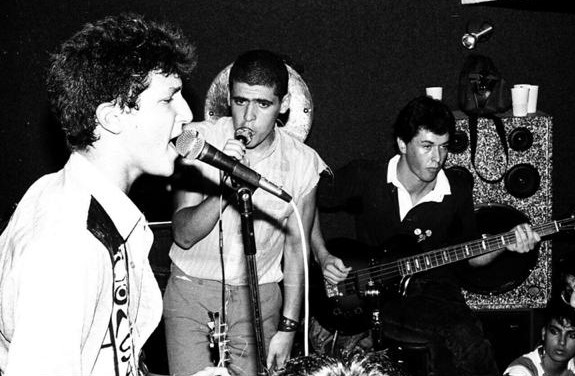
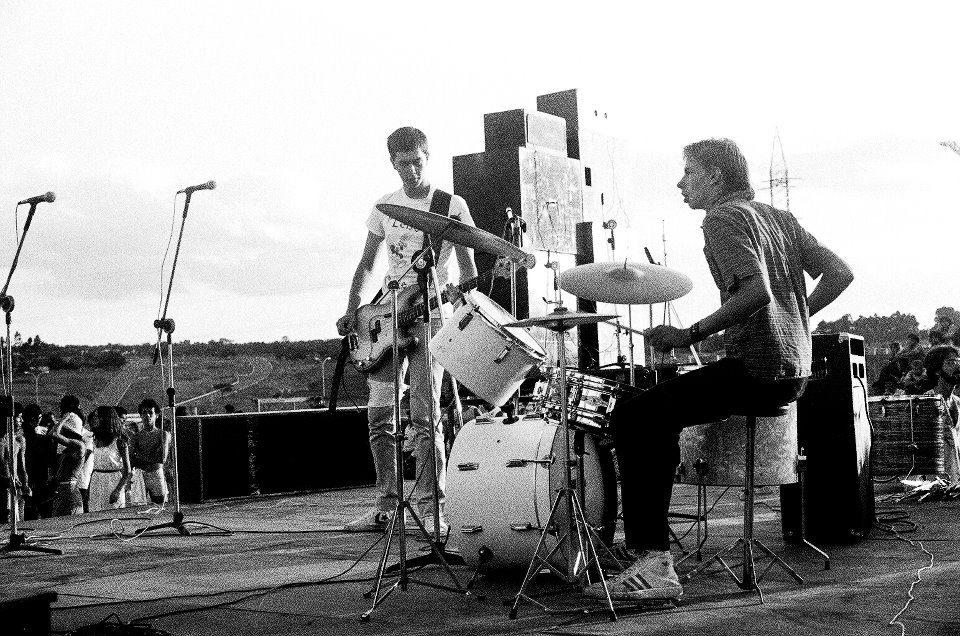
Brasília was still a teenager when, at the end of the 70s and throughout the 80s, Brazilian rock started having the city as its headquarters, thanks to the virtuous work of local bands. At the time, Rock events began to appear in the city, such as Projeto Cabeças and concerts at Teatro Galpão, being responsible for the emergence and promotion of numerous bands and artists in the capital. But it was when the Punk movement started to occupy the streets of the city, that Brasília started to be considered the Capital of National Rock and, even today, it receives this recognition.
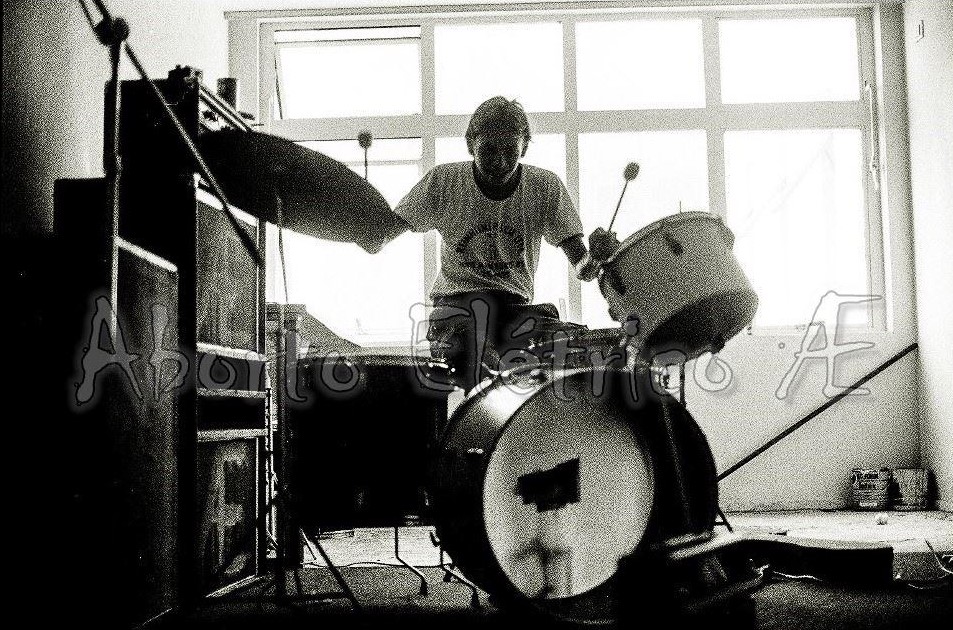
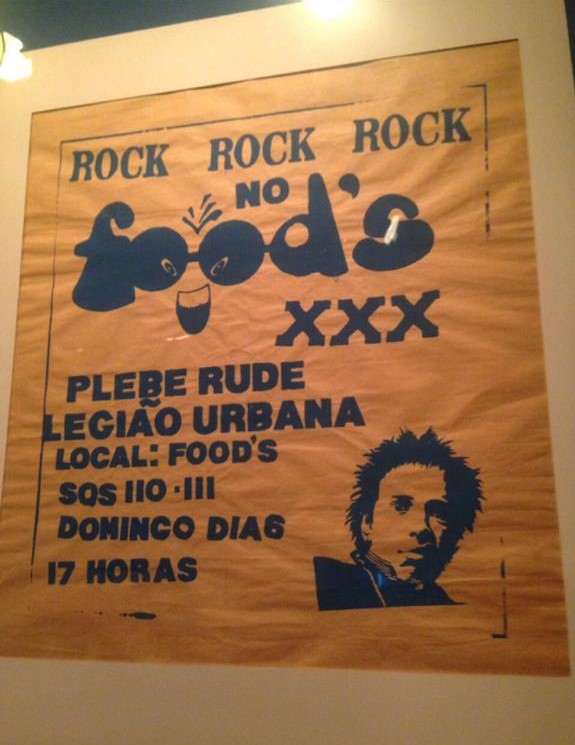
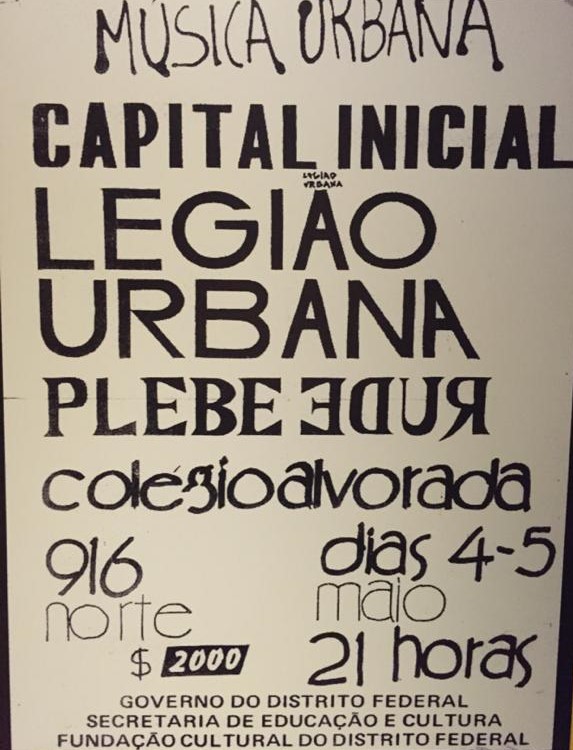
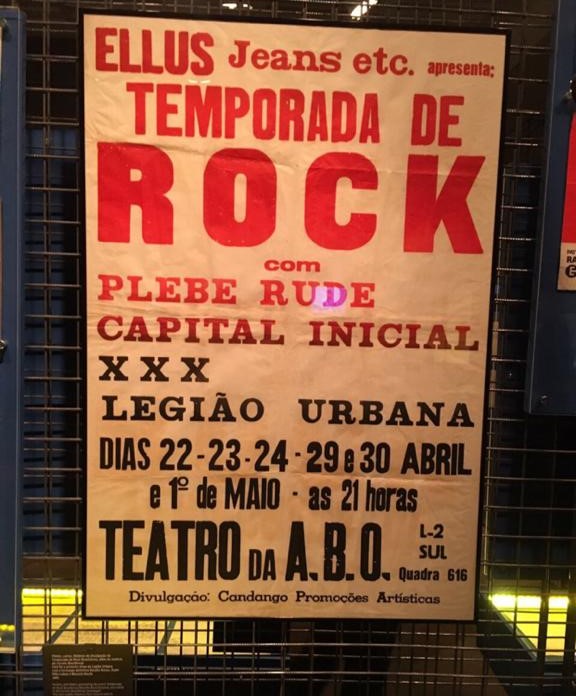
Since the growth of the genre in the city, in the 1980s, with bands such as Aborto Elétrico, Legião Urbana, Plebe Rude, Capital Inicial, Escola de Escândalos, Blitx 64 and Banda 69, brasiliense rock pulses strongly in the veins of the Federal District. So much so that, recently, it was listed as Intangible Cultural Heritage of the Federal District.
Brasília’s connection with the musical genre continued into the second half of the 1980s, revealing bands and artists such as Cássia Eller, Detrito Federal, Finis Africae, and the complete explosion of Legião Urbana, Plebe Rude and Capital Inicial; and has crossed the years since then with Raimundos, Little Quail and the MadBirds (future Autoramas), Móveis Coloniais de Acajú, Sapatos Bicolores and, more recently, the bands Scalene and Lupa, in addition to an almost infinity of expressive names from the independent scene that established brasiliense rock as one of the pillars of the identity of this very heterogeneous capital, still young.

The beginning
Rock in Brazil emerged in the 60s, with international influences, especially from Elvis Presley and Beatles, also configuring itself as a revolutionary musical style. With the expansion of the media and audiovisual industry, several bands and artists emerged, both abroad and in Brazil, as well as meetings and youth movements in favor of peace and freedom became popular. These meetings became major events, often endowed with rebellion and protests against a political system that no longer supported itself.
Rock brought strong messages in its lyrics and sounds. The carioca Erasmo Carlos, the “tremendão”, assumed the role of Brazilian rocker during the Jovem Guarda, which was composed of other outstanding singers such as King Roberto Carlos, Eduardo Araújo, Silvinha, Vanderleia and many others. Artists like Raul Seixas, Rita Lee and some bands like Os Mutantes, emerged and stood out in the media.
The legacy
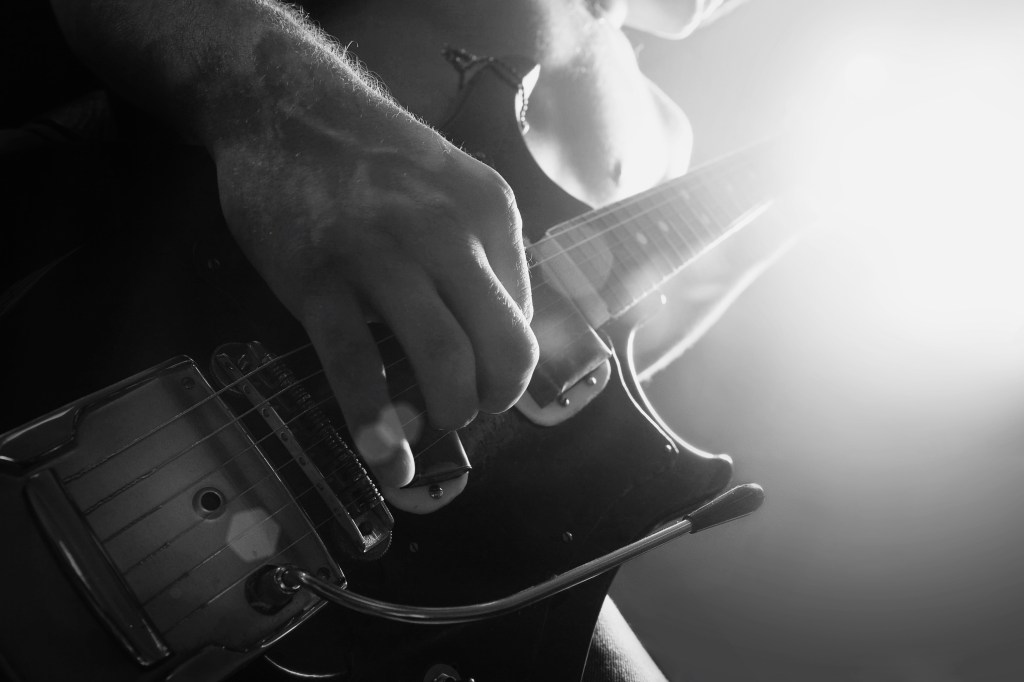
The history of this generation in the 1980s, strongly influenced by the “Turma da Colina”, a group of young people, children of UNB professors, who gathered to listen to rock music and “pass the hours” in a housing area of the University of Brasília (UnB), nicknamed Colina, and ended up making music, has been lost in time.
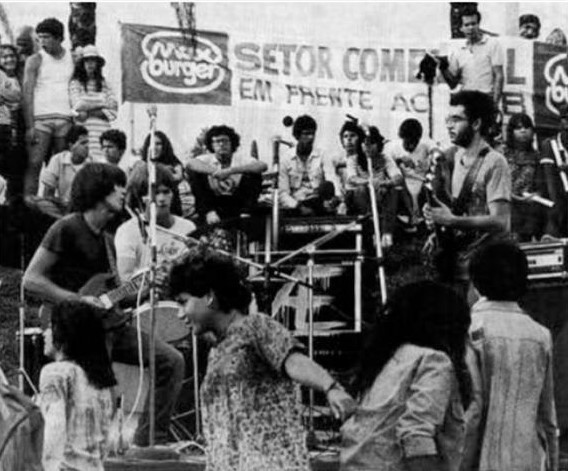
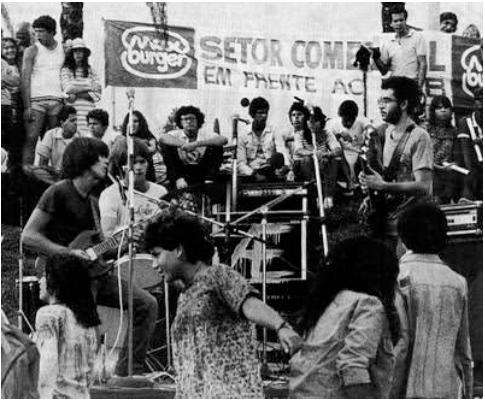
The history of the influence of punk ideas such as “DIY” (acronym for “Do it yourself”) has been forgotten, unlike the musical record, which moves and excites people all over Brazil, even today. The story of groups of teenagers who moved to do projects such as Rock na Ciclovia, who put author bands to play on the bike path in a park in Brasília, or who presented themselves spontaneously and without publicity, in any space or place asking for borrowed shots for merchants.
About the project
With the current wave of occupation of public spaces in the DF, translated into projects such as Porão do Rock, Picnik, the return of Rock na Ciclovia, Vilada (in Vila Planalto), occupations of the South Commercial Sector and cultural revitalization of areas such as the The South Amusement Sector and the Dulcina de Moraes Theater (by the Dulcina Vive! Movement), among many other projects and cultural occupations of public areas, is seen as the ideal moment for a project that unites the conservation of the DF’s cultural heritage, encouraging local culture and cultural mobility is implemented.
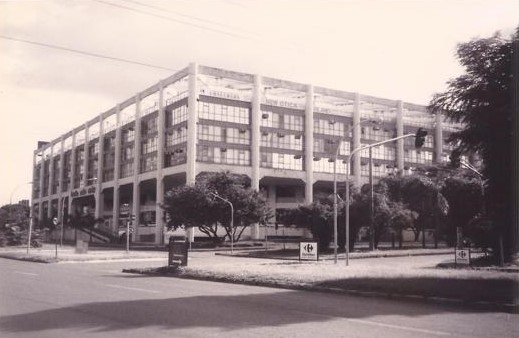
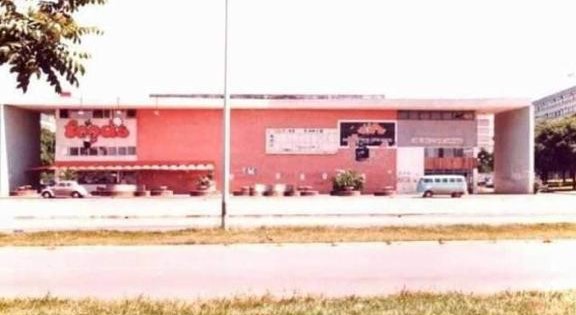
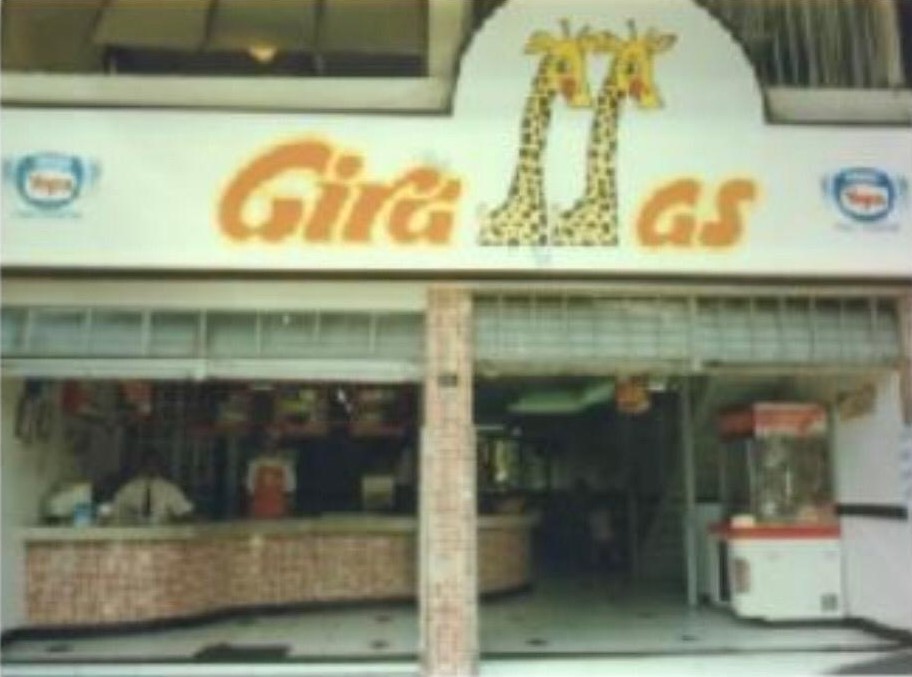
The project Rota Brasília Capital do Rock intends to consolidate the memory of this city’s heritage through the marking/signalling of these important and emblematic places not only for the Federal District itself, but for the entire identity of the region. Brasília, already known for “civic and cultural” tourism (in addition to being the capital of Brazil, Brasília is a World Heritage Site), will gain another attraction, also civic and cultural, as the bands of the 80s became known for their social and political nature of the themes addressed, solely inspired by the proximity of the nation’s capital.





About UPIS Tourism Department
For over five decades preparing professionals, the Tourism Course of the União Pioneira de Integração Social, UPIS, one of the first five in Brazil, is not limited to qualification in the classroom. With extensive experience in extension activities and fieldwork, the Course is now turning to a new project: the “Rota Brasília Capital do Rock”.
It is a natural junction of the tourism area with the culture sector, a traditional supplier of attractions for the tourism industry.
With this itinerary, the Federal Capital, a destination already attractive enough for its World Heritage status and the potential it has for visits of a civic nature, now has the opportunity to rediscover a glorious cultural past, in which great bands were produced that crossed the boundaries of the DF and reached national prominence.
For more information about the course go to: upis.br
About the Tourism Department of Brasília
The purpose of the Tourism Department is to plan, coordinate and execute policies to promote tourism.
Goals:
– Develop the city’s tourist potential;
– Formulate guidelines and promote the definition and implementation of plans, programs, projects and actions related to tourism at the district level;
– Carry out and develop studies and research aimed at identifying the needs and evaluating the effects of programs, projects and activities linked to the tourism sector;
– Promote the development and integration of tourist activities aimed at improving the quality of life of the population of the Federal District;
– Capture public and private investments aimed at supporting and promoting new tourism products and maintaining existing ones.
Challenges:
– Develop the areas of tourism in the DF in a legal, balanced and sustainable way;
– Generate new work and income opportunities.
Contact us:
Department of Tourism of the Federal District
Ulysses Guimarães Convention Center, Asa Sul, 1st Floor
70070-350, Brasília – DF
Phone: 4042-0400
Brasília Route Capital of Rock
Idealized by Philippe Seabra and developed by the Tourism Department of the Federal District – SETUR and União Pioneira de Integração Social – UPIS
Credits:

 Rota Brasília Capital do Rock